Boss Zhang in Shijiazhuang, Hebei, planted 120 acres of wheat using Wolinmen Wheat No. 1. The actual harvest averaged 680 kg per acre, an increase of approximately 15% compared to previous years. This result was no accident—from seed selection to harvest, every stage was supported by a tailored technical solution. Below is the full reconstruction of this planting cycle.
Seed Selection: Match varieties to plots using data
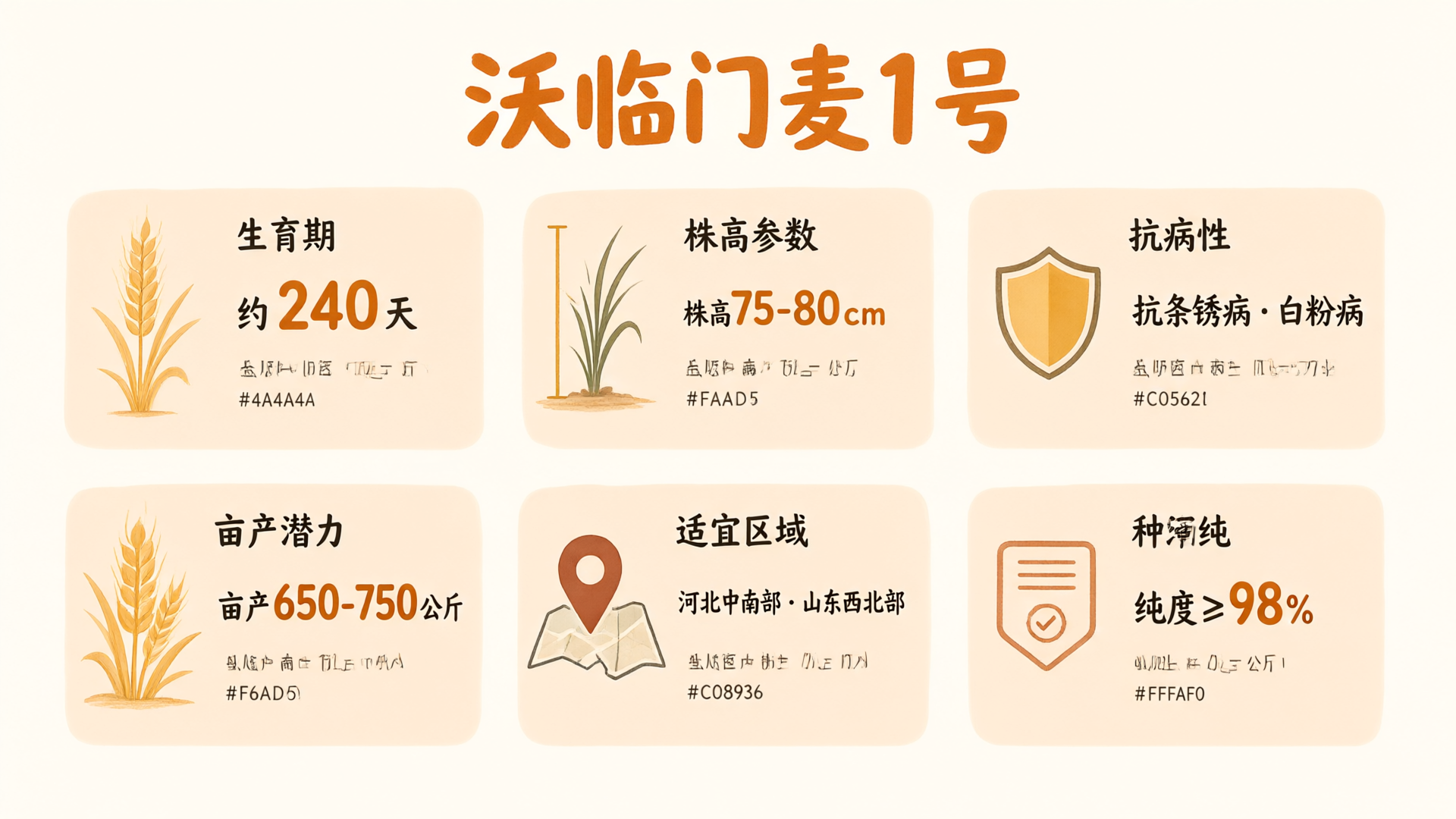
Increased wheat yields depend on selecting the right variety. Wolimen Wheat 1 is a semi-winter variety with a growing season of approximately 240 days, reaching heights of 75-80 cm. It exhibits strong resistance to stripe rust and powdery mildew, making it suitable for southern-central Hebei and northwestern Shandong. Mr. Zhang's fields are located in Shijiazhuang, where the accumulated temperature zones and soil conditions align perfectly with this variety's recommended growing areas.
Variety selection goes beyond yield potential alone. A per-acre yield range of 650-750 kg is a reference; actual performance depends on management practices and climate conditions. We operate a three-field seed multiplication system (breeder, foundation, and certified seed tiers) to ensure seed purity exceeds 98%, guaranteeing uniform emergence and trait consistency from the start. Mr. Zhang selected a rigorously tested batch of certified seeds, providing a controllable foundation for subsequent management.
Sowing: Key Parameters Determine Stand Quality
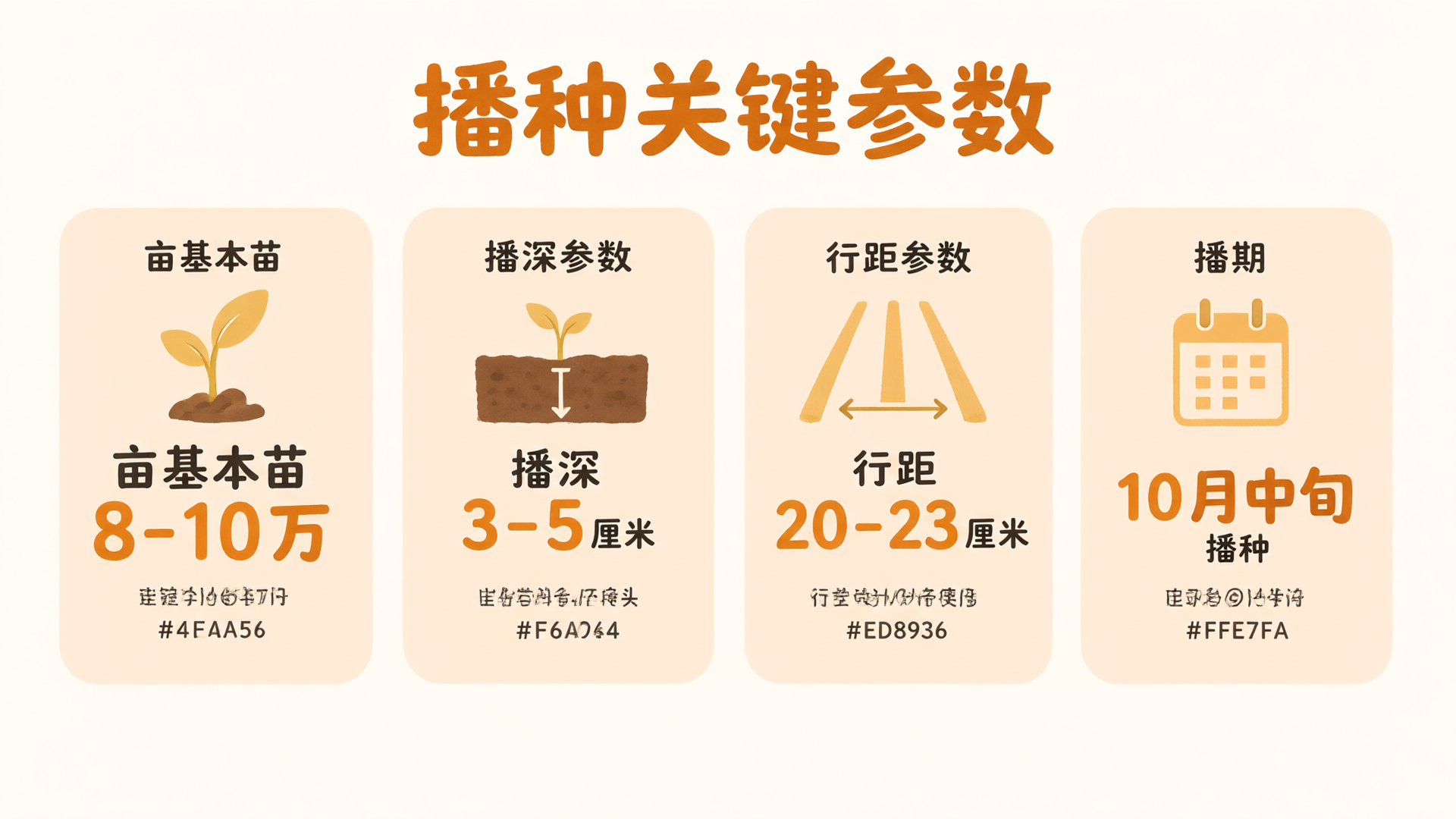
The sowing stage directly determines crop population structure. Based on the characteristics of Wollenmen Wheat No. 1, we provided Mr. Zhang with a sowing plan: target 13,500–16,500 plants per mu (approx. 8-10 wan), sowing depth of 3-5 cm, and row spacing of 20-23 cm. Mr. Zhang completed sowing in mid-10 following this plan. Due to insufficient soil moisture before sowing, we recommended irrigating first to ensure uniform seedling emergence.
Pre-winter seedling surveys show that stems per acre have reached the target range, with over 80% of seedlings being vigorous. This indicates a well-balanced population structure, laying a solid foundation for subsequent tiller survival. Precise execution during sowing has minimized reactive adjustments in later management stages.
Field Management: Precision Intervention by Stage
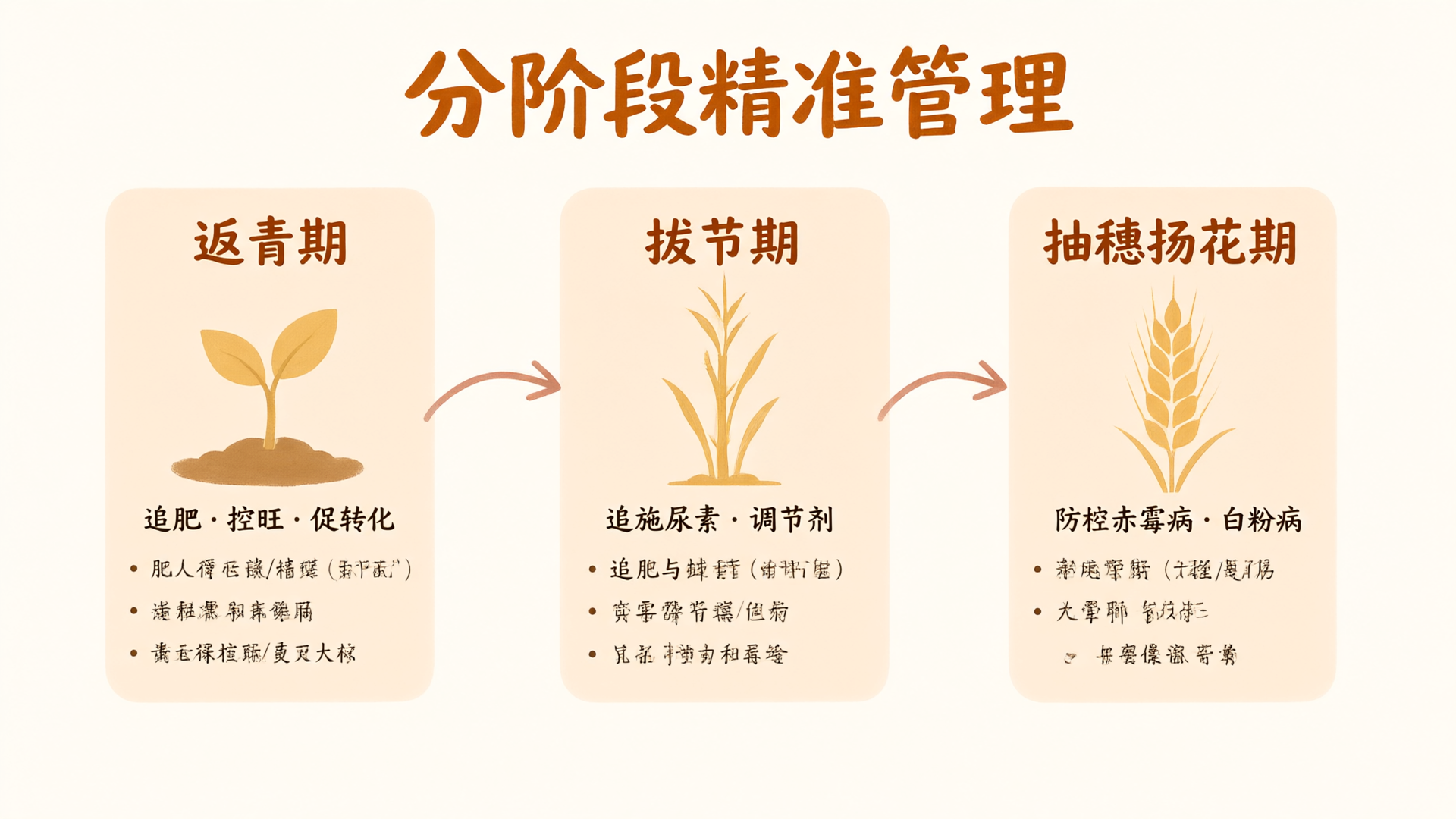
Wheat has a long growing season, and fertilizer, water, and pest management strategies vary significantly across stages. We have developed a phased management plan for Mr. Zhang's 120 acres:
Greening stage: Determine topdressing timing and dosage based on seedling vigor. For vigorous fields, reduce nitrogen while increasing phosphorus and potassium; for weak seedlings, apply fertilizer early to promote conversion. Jointing stage: Apply jointing fertilizer according to soil moisture, using 8-10 kg of urea per mu. Simultaneously, spray plant growth regulators to shorten basal internodes and reduce lodging risk later. Heading and flowering stage: Focus on controlling Fusarium head blight and powdery mildew. Wolimen Wheat No.1 has good resistance to powdery mildew, but we still recommend applying a protective fungicide at the early flowering stage to prevent Fusarium head blight. Mr. Zhang followed the plan, keeping disease incidence low.
Throughout the entire management cycle, our technical team provides end-to-end support, visiting fields during critical growth stages to monitor crop development and adjust plans accordingly. Mr. Zhang noted that what impressed him most was the crop's lodging resistance: with a plant height of 75–80 cm and an optimized population structure, no lodging occurred even after a strong windstorm during the grain-filling stage.
Result validation: let the data speak
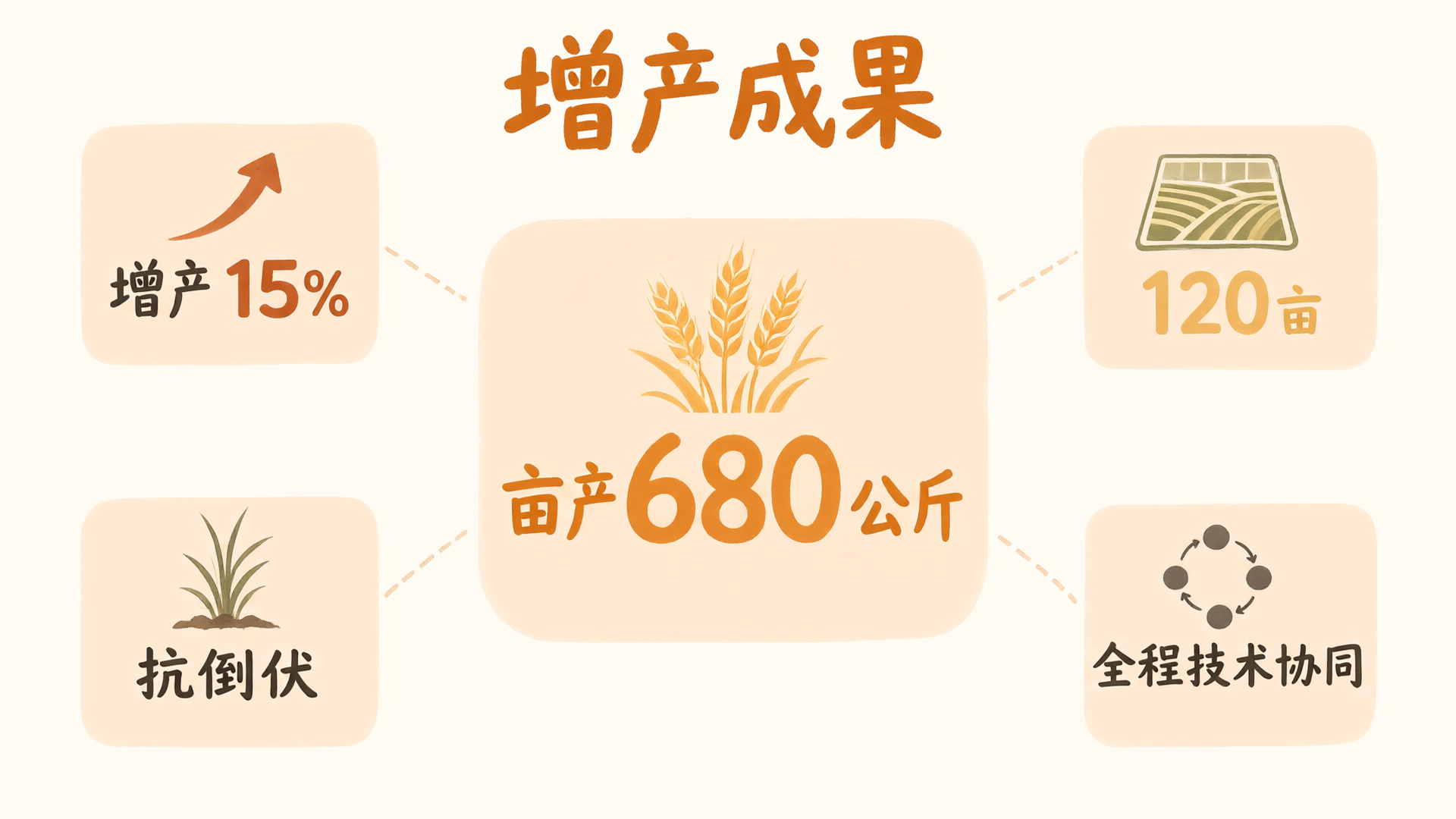
Post-harvest testing shows an average yield of 680 kg per mu across 120 mu, representing an approximate 15% increase compared to previous years. Based on the current wheat purchase price and accounting for increased costs in seeds, fertilizers, pesticides, and other inputs, net income per mu has risen significantly.
This yield increase stems from synergies across multiple stages: the variety's inherent resistance reduced losses from diseases and lodging, precise fertilizer and water management boosted tiller count and thousand-grain weight, and end-to-end technical guidance minimized decision-making errors. The 120-mu yield gain reflects the successful implementation of our integrated solution, not the effect of a single factor.
As Mr. Zhang's case demonstrates, increased yield is not achieved through a single-point breakthrough in one area, but through the coordinated execution of a comprehensive technical solution spanning from seed selection to harvest. Our end-to-end closed-loop service covers every critical node of the planting cycle—from breeding and R&D to field guidance. This model can be replicated across more farmers' fields.
To learn more about Wolimen Mai 1 or our technical service solutions, please contact us for details.